
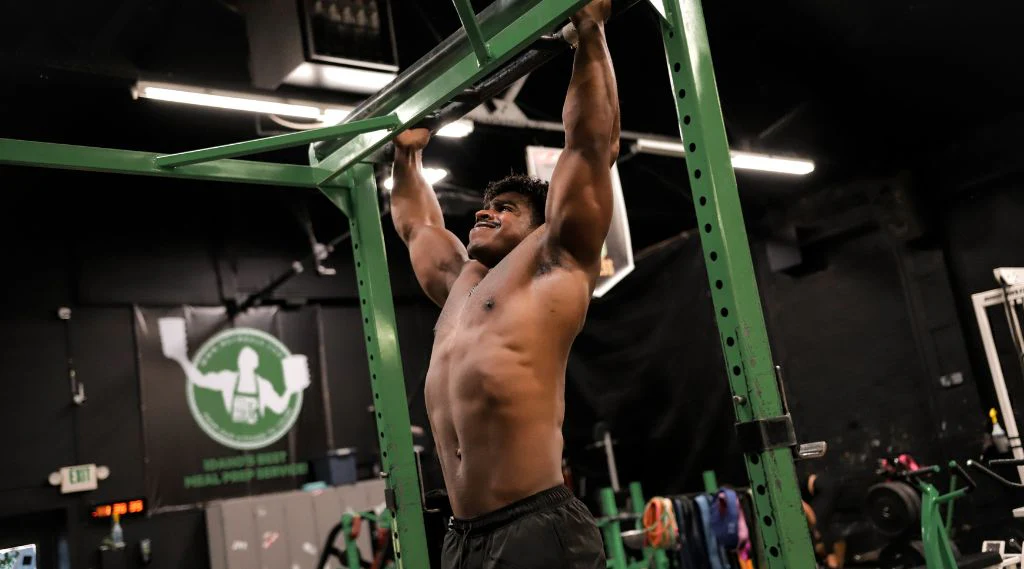
Resistance bands, particularly pull-up assist bands, are a powerful tool for improving pull-up form and technique. They allow you to pull up resist controlled tension safely, providing support while reinforcing proper movement patterns and muscle activation.
Encouraging Proper Form
Many beginners struggle with pull-ups due to weak back, shoulder, or arm muscles. Using pull-up resistance bands helps reduce the load, allowing you to focus on maintaining correct posture. Keep your shoulders down and back, engage your core, and avoid swinging. The band provides support while teaching your body to move through the full range of motion with proper alignment.
Controlled Movement and Muscle Engagement
Assist bands help you perform slow, controlled repetitions, emphasizing both the upward (concentric) and downward (eccentric) phases. This controlled tempo maximizes muscle engagement in the lats, traps, and biceps while teaching you to pull up resist tension, improving overall strength and stability for unassisted pull-ups.
Reducing Compensatory Movements
Beginners often use momentum or kipping to complete a pull-up, which can lead to poor form and increase injury risk. The support from resistance bands reduces the need to cheat the movement, allowing you to focus on activating the correct muscles. This helps reinforce proper technique and builds strength efficiently.
Progression to Unassisted Pull-Ups
As you gain strength, gradually switching to thinner bands reduces assistance. This progressive approach challenges your muscles to work harder while maintaining proper form. Learning to pull up resist less assistance prepares your body for unassisted pull-ups with better technique and controlled movement.
Final Thoughts
Resistance bands improve pull-up form by providing support, promoting controlled movement, and encouraging proper muscle engagement. They allow you to safely pull up resist tension, reduce compensatory movements, and progressively build the strength and technique needed for unassisted pull-ups. Regular use ensures more efficient, safer, and effective pull-up training.